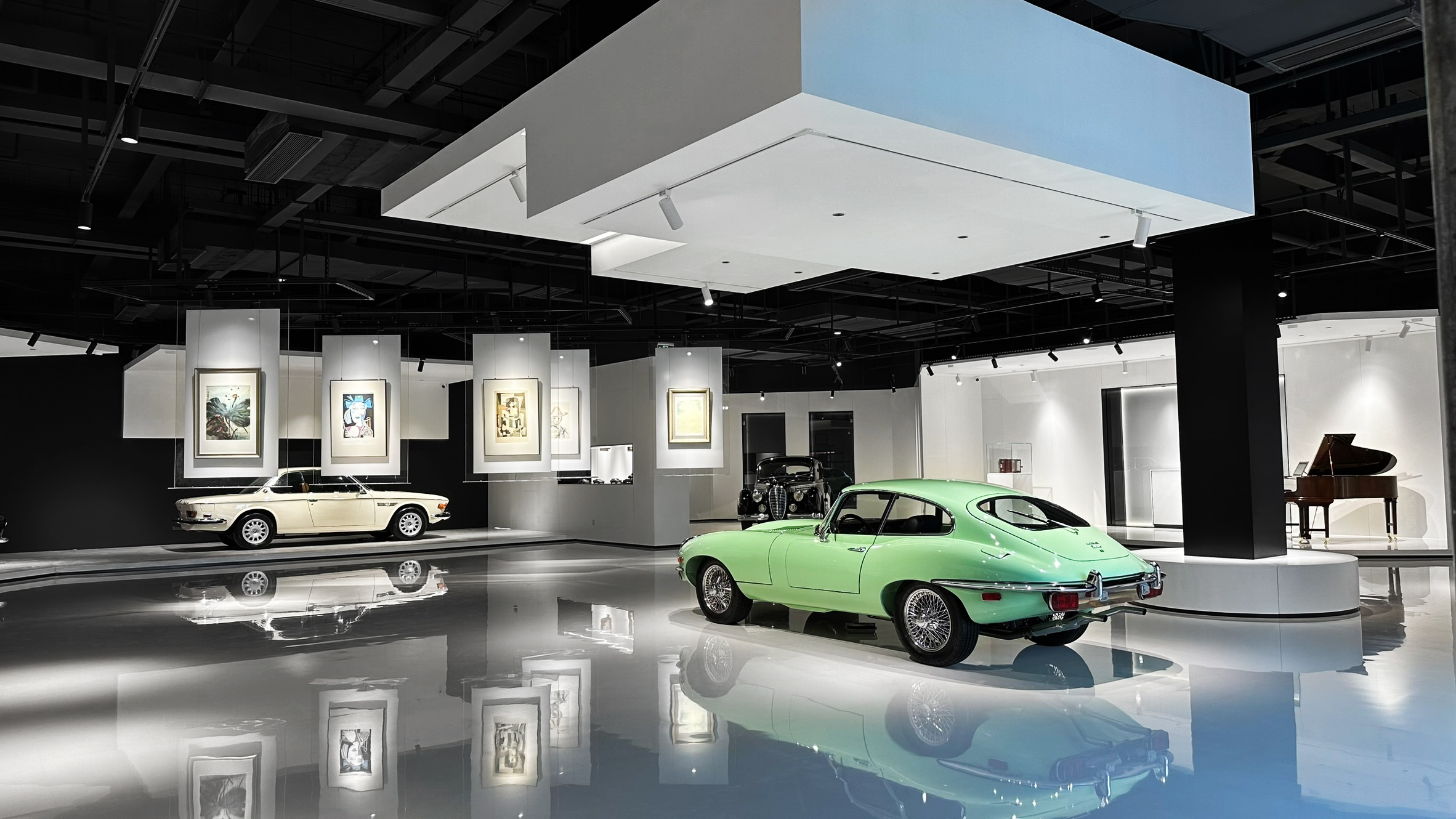
在三和老爷车博物馆的汽车艺术中心,经典车不再只是被陈列的机械藏品。汽车、绘画、雕塑与钢琴共享同一条观看路径,构成工业文明与艺术表达之间的对话。
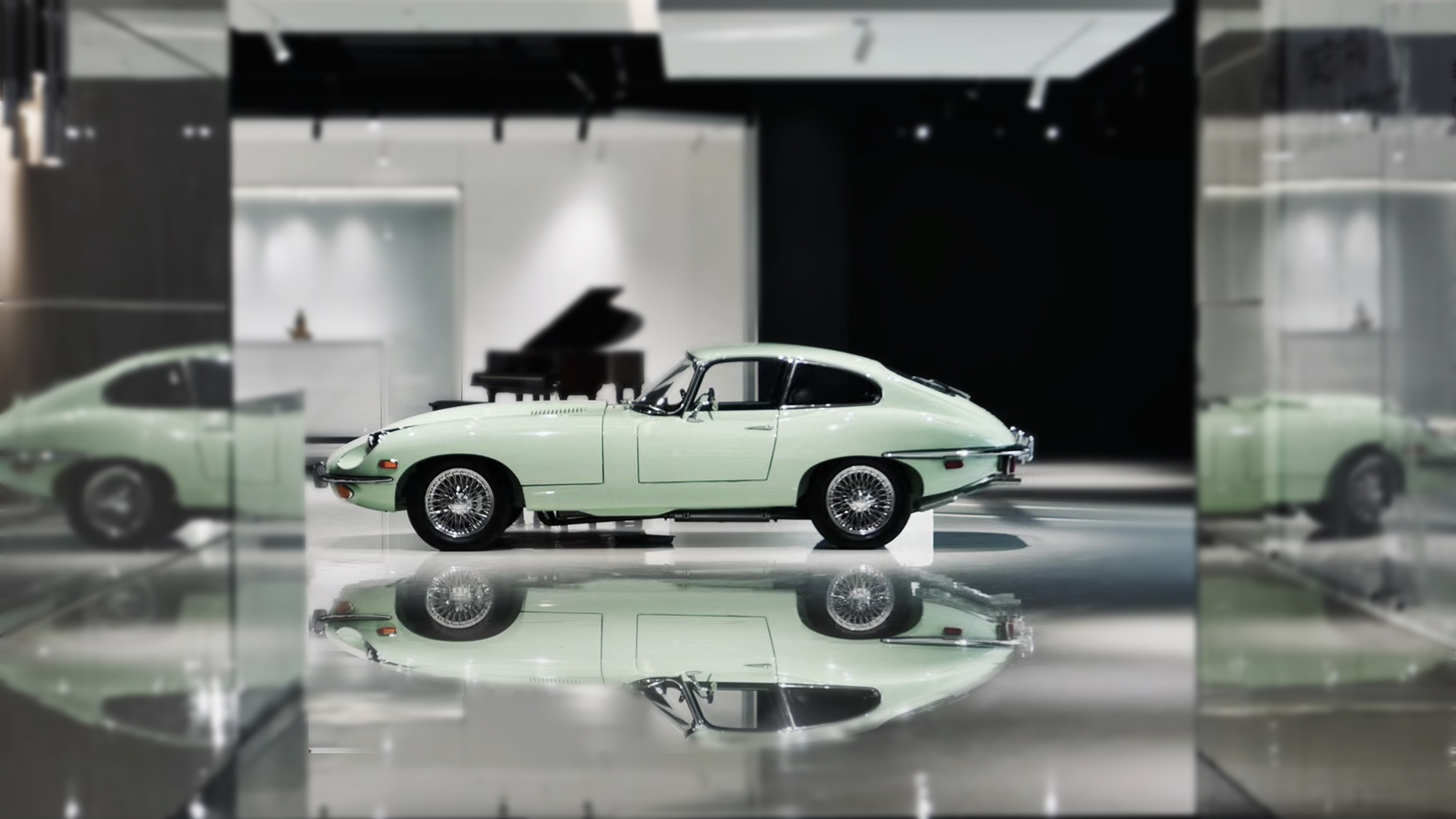
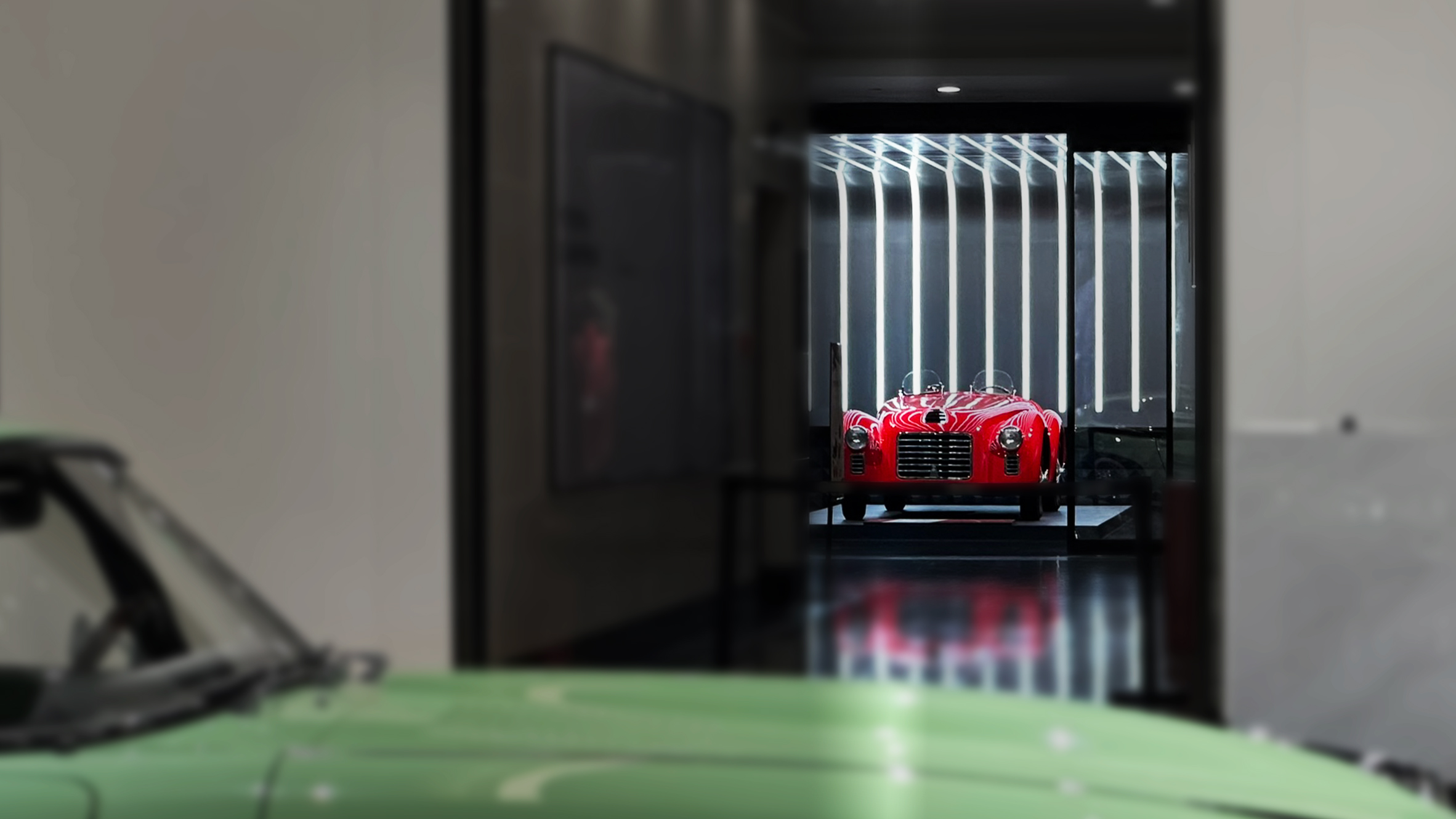
A restrained palette of black ceilings, white display walls and reflective flooring forms a quiet backdrop. Floating partitions, glass plinths and linear lighting guide the sequence of views, allowing cars, paintings, sculpture and the piano to frame one another as visitors move through the gallery.
A Rhythm Between Black and White
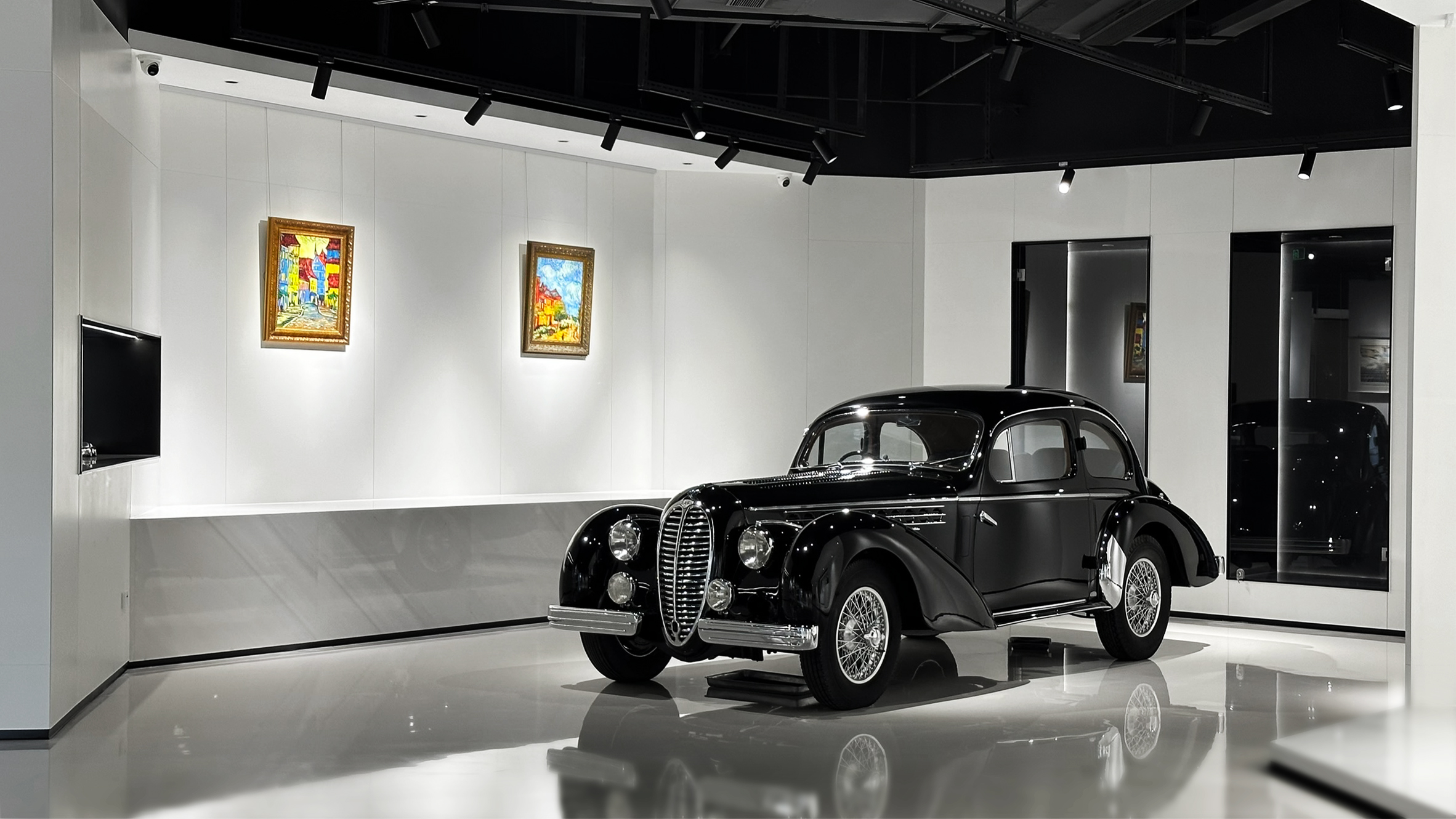
White display walls, an exposed black ceiling and a highly reflective floor form a restrained spatial backdrop. Track lighting places attention precisely on the artworks and the contours of each car, bringing objects, light and visitors’ movement into a single composition. Scale, openings and turns pace the visit, allowing every object to be viewed independently while remaining connected to what lies ahead.
Where Machines and Art Meet
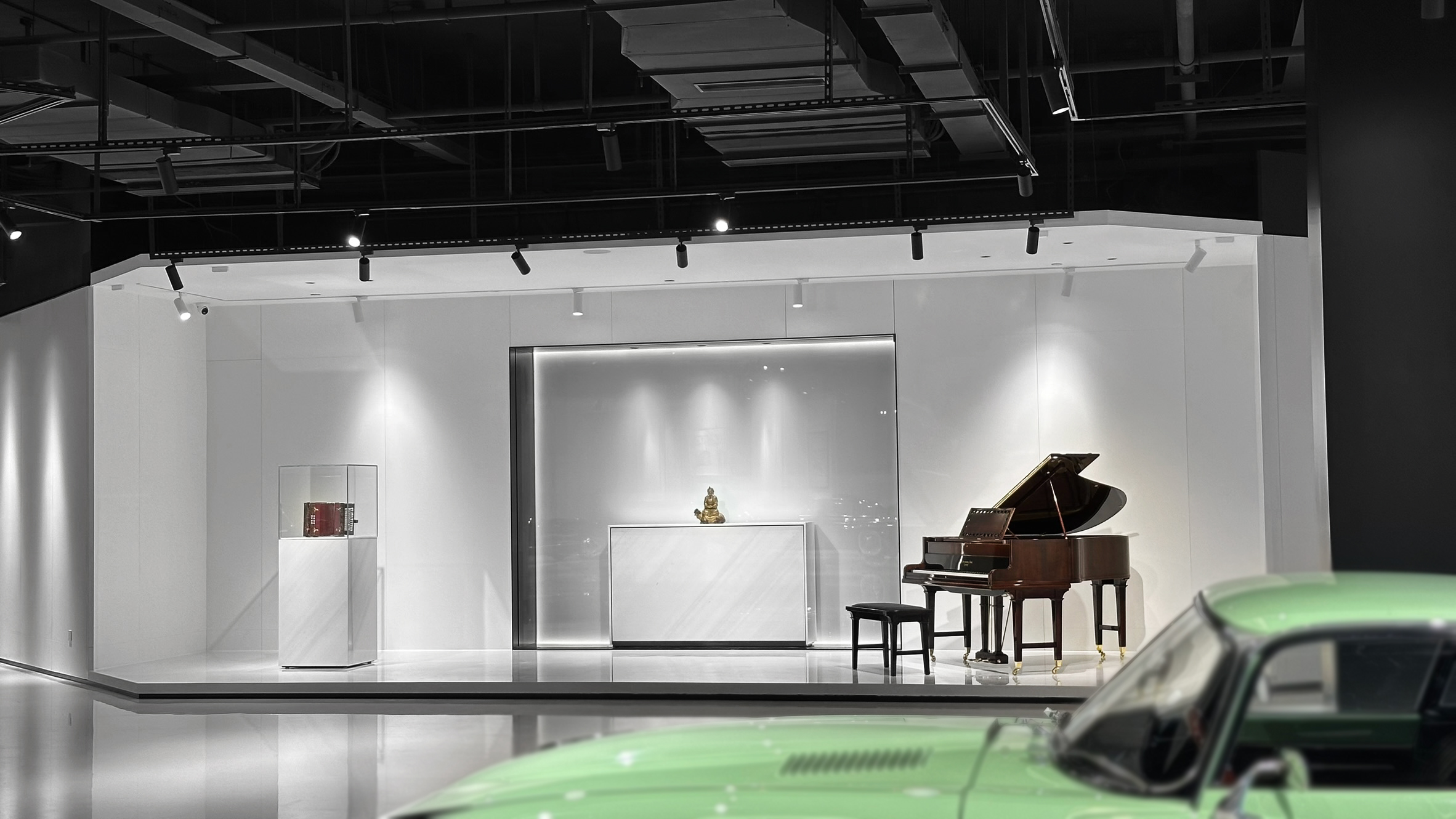
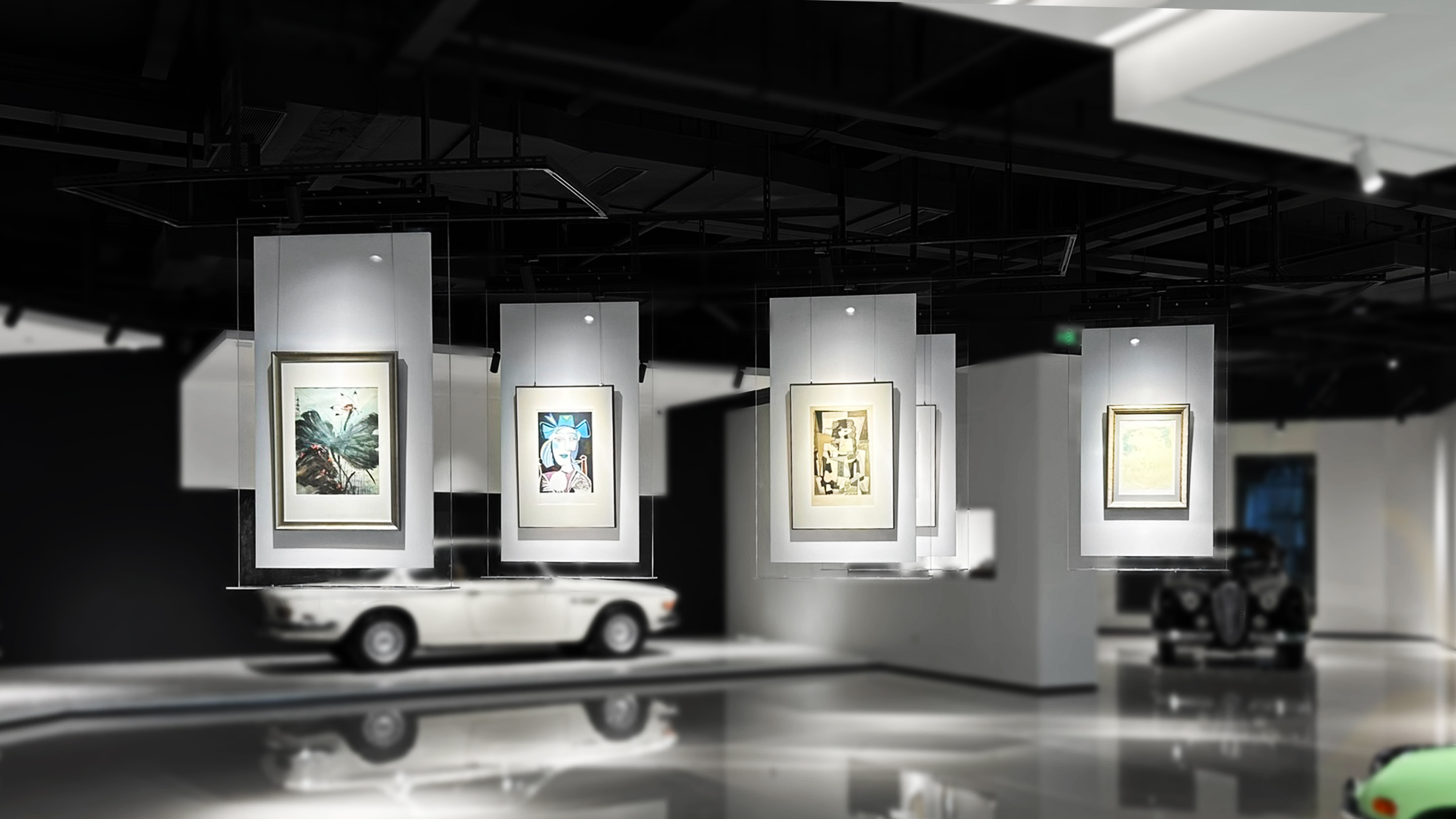
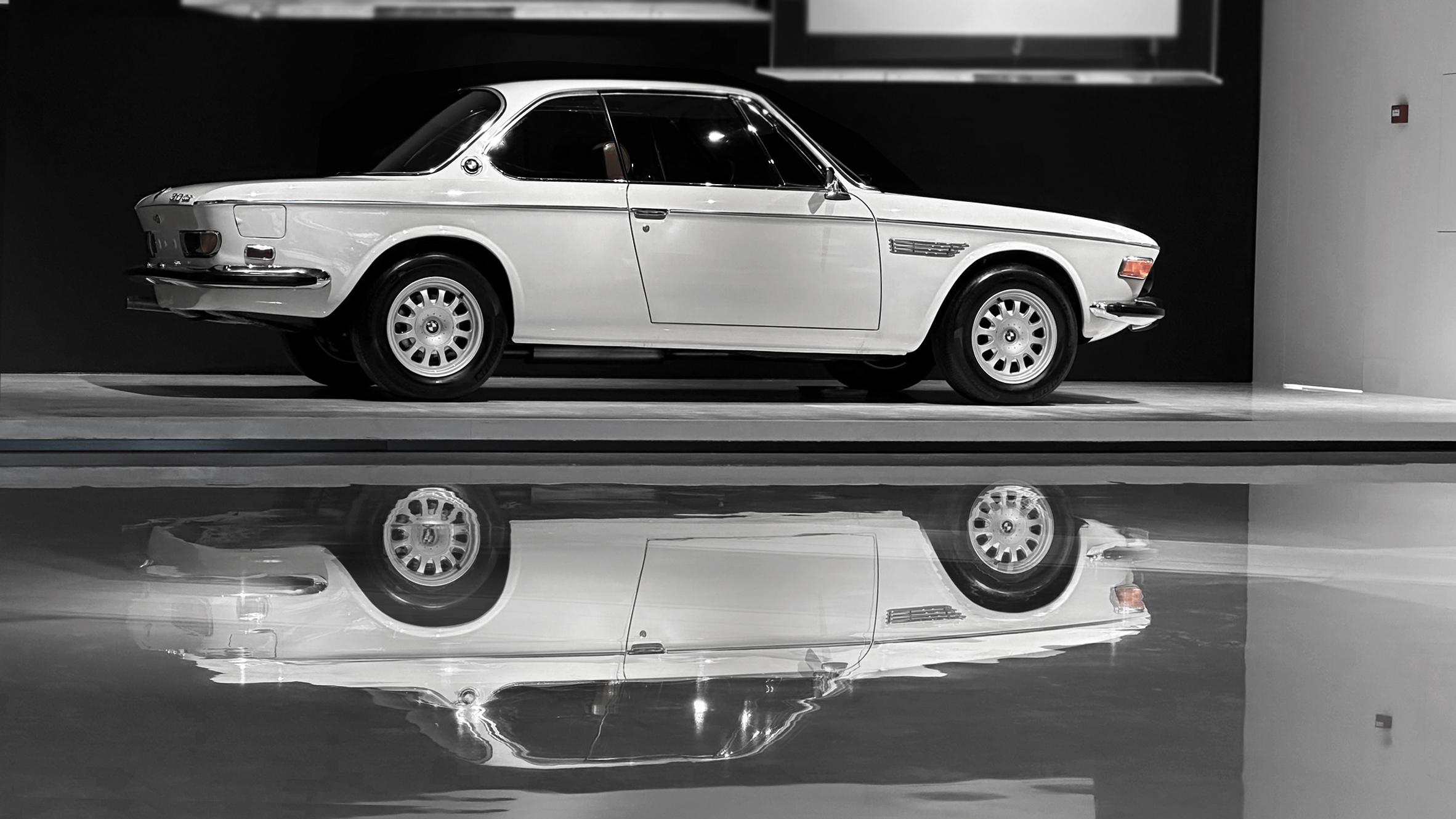
Classic cars, paintings, sculpture and a piano are organized not by category, but by visual and emotional relationships. Bodywork meets brushwork, polished metal meets warm timber, and the automobile is read as both an industrial artifact and an object of art. Transparent and layered boundaries keep adjacent zones in view, producing a new composition with every step.
Preserving Movement in Stillness
Light does more than illuminate the exhibits: contrast, reflection and framed views establish spatial depth. Against the neutral setting, red, green, black and white cars retain their distinct character, while the artworks introduce a quieter emotional register. Rational structure supports sensory expression, allowing automotive culture and art collecting to speak on equal terms.